- 107
Interior Design Yangon as a Hotel Interior Design Firm Creating Modern Luxe Hospitality Spaces for Boutique and Five-Star Hotels
Yangon is a city of quiet grandeur. Golden pagodas rise above colonial boulevards, traditional tea houses sit beside modern cafés, and new hospitality developments are gradually reshaping the skyline. As Myanmar continues opening its tourism and business sectors, hotels in Yangon are redefining what modern hospitality looks like.Interior Design Yangon
For visitors arriving through the bustling districts around Downtown Yangon or the emerging business corridors near Bahan Township, the first impression of the city often begins in a hotel lobby.
This is why thoughtful hospitality environments matter so deeply. A well-designed hotel is more than a building—it becomes a gateway to culture, comfort, and memory.
As designers who believe spaces should nurture emotion and connection, our firm approaches Interior Design Yangon through the lens of people, place, and experience. When design is guided by empathy and craftsmanship, a hotel becomes not just accommodation—but a destination.
Mingalaba — welcome to a space that tells a story.
Understanding Yangon’s Hospitality Landscape
Yangon remains Myanmar’s primary gateway for international visitors. Despite fluctuations in tourism activity, the city continues to attract several key traveler groups:
-
Business travelers linked to regional trade and investment
-
Diplomatic and NGO professionals
-
Cultural tourists exploring Myanmar’s heritage
-
Regional leisure visitors from Southeast Asia
Hotels cluster around central areas such as Downtown Yangon, Kandawgyi Lake, and embassy districts where accessibility and prestige are important.
Nearby landmarks like Shwedagon Pagoda shape the city’s identity and influence architectural aesthetics. Golden tones, intricate patterns, and spiritual symbolism are deeply embedded in local visual culture.
The climate also plays a role. Yangon’s tropical monsoon weather demands interiors that remain cool, breathable, and comfortable throughout the year.
These local conditions shape how successful Interior Design Yangon projects approach hospitality design.
The Rise of Modern Luxe Hospitality
Luxury in today’s hospitality industry is no longer defined by extravagance alone. Instead, travelers seek environments that feel sophisticated yet relaxed.
This philosophy is often described as Modern Luxe.
Modern Luxe hospitality combines:
-
Contemporary elegance
-
Premium natural materials
-
Soft atmospheric lighting
-
Carefully curated textures
-
Harmonious spatial planning
The goal is to create spaces that feel refined but approachable.
In Yangon’s hospitality sector, this approach allows hotels to express both international standards and local character.
Crafting the Arrival Experience
Every memorable hotel journey begins with arrival.
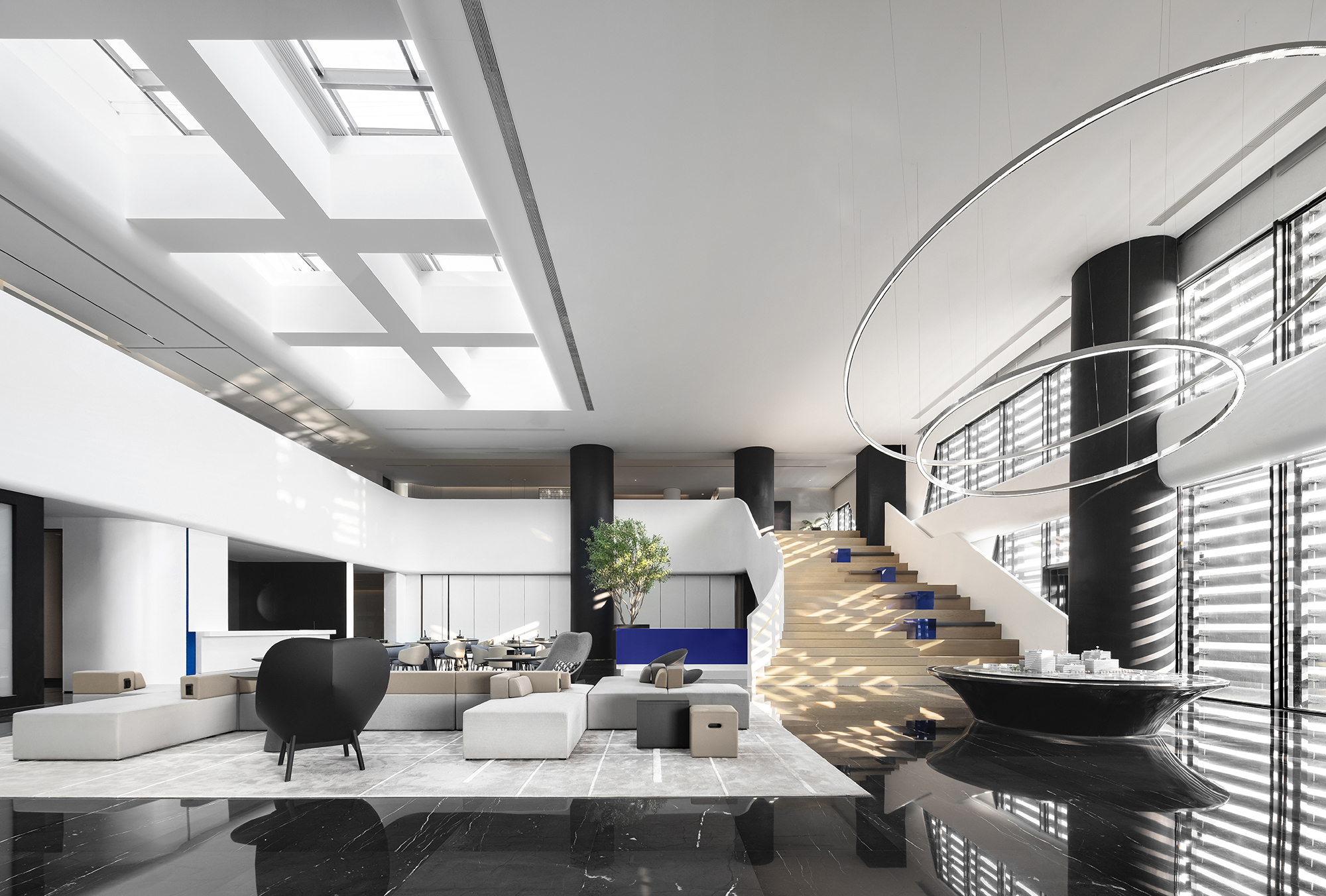
The lobby sets the emotional tone for the entire property. Guests arriving from the lively streets of Yangon should immediately feel a sense of calm and welcome.
Successful lobby environments often feature:
-
Spacious circulation with intuitive navigation
-
Sculptural reception counters that express brand identity
-
Comfortable lounge seating for informal meetings
-
Dramatic lighting features that create visual impact
Local materials such as teak wood, stone, and handcrafted textiles bring warmth and authenticity.
In Yangon, the lobby is also a social space where travelers gather, converse, and pause before exploring the city.
Designing Guest Rooms as Personal Sanctuaries
For many travelers, a hotel room is more than a place to sleep—it is a temporary home.
Designing guest rooms within Interior Design Yangon projects requires a balance between luxury comfort and practical functionality.
Key considerations include:
-
Soft, layered lighting for relaxation
-
Natural ventilation strategies suited to tropical climates
-
Textiles that feel breathable and tactile
-
Flexible workspaces for business travelers
Subtle cultural elements—such as Burmese motifs or handcrafted decor—can add depth without overwhelming the room’s modern elegance.
Guests should feel a quiet sense of connection to the city.
Thar du ma shi bu — no stress, only calm.
Restaurants and Social Spaces
Dining spaces are often the emotional heart of a hotel.
As designers with strong restaurant design experience, we know that food environments must stimulate the senses while encouraging connection.
In Yangon’s growing hospitality scene, hotels increasingly feature:
-
Signature fine-dining restaurants
-
Rooftop lounges overlooking the skyline
-
Casual café spaces for daytime gatherings
-
Intimate cocktail bars for evening experiences
Warm lighting, acoustic comfort, and thoughtful seating arrangements encourage guests to linger.
Textures inspired by Myanmar’s craft traditions—woven fabrics, carved wood, and natural stone—bring authenticity to the dining environment.
Wellness and Relaxation Environments
Today’s travelers increasingly prioritize wellness.
Hotels that offer spa and relaxation experiences often enjoy stronger guest loyalty and longer stays.
Wellness spaces designed within Interior Design Yangon hospitality projects typically include:
-
Spa treatment rooms inspired by nature
-
Quiet meditation lounges
-
Yoga terraces or rooftop wellness zones
-
Hydrotherapy pools or relaxation areas
Natural materials and soft lighting help create a tranquil environment that contrasts with the energy of the city outside.
Designing the Guest Journey
Great hospitality design considers the entire guest journey—from arrival to departure.
Every movement through the hotel should feel intuitive.
Designers carefully plan:
-
Circulation paths between public areas
-
Guest privacy in elevators and corridors
-
Acoustic comfort in rooms and lounges
-
Visual focal points that guide navigation
Small details—like lighting transitions or seating placement—can dramatically influence how guests experience the space.
This level of planning transforms hotels from functional buildings into emotional environments.
Balancing Beauty and Operational Efficiency
A hotel interior must also perform efficiently behind the scenes.
Durability and maintenance are critical considerations.
Materials must withstand:
-
High guest traffic
-
Tropical humidity
-
Frequent cleaning and servicing
Operational planning also ensures smooth movement for hotel staff while preserving guest privacy.
When design balances beauty with practicality, hotels maintain their elegance long after opening day.
Integrating Technology and Modern Hospitality
Today’s travelers expect digital convenience.
Modern hospitality environments often include:
-
Smart room controls for lighting and climate
-
Digital check-in systems
-
Seamless Wi-Fi connectivity
-
Interactive guest information displays
Technology should enhance comfort without dominating the aesthetic environment.
In Modern Luxe hospitality design, technology remains invisible but powerful.
A Thoughtful Approach to Hospitality Design
Designing boutique and five-star hotels requires a careful blend of creativity and technical knowledge.
Our firm approaches Interior Design Yangon hospitality projects through a structured design process:
-
Hospitality concept development
-
Spatial planning and guest journey mapping
-
Design visualization and storytelling
-
Material and lighting curation
-
Construction coordination and project delivery
This process ensures every design decision contributes to a cohesive and memorable hotel environment.
Designing Hotels that Reflect the Spirit of Yangon
Yangon is a city rich in character, spirituality, and history. Hotels here should celebrate that identity while embracing modern global hospitality standards.
Thoughtful Interior Design Yangon transforms hotel environments into experiences—spaces where travelers feel welcomed, inspired, and connected to the culture around them.
At our firm, we believe hospitality design should always begin with people.
When design respects local traditions, supports operational excellence, and nurtures emotional comfort, hotels become more than destinations.
They become places guests remember—and long to return to.
Connect with us in


