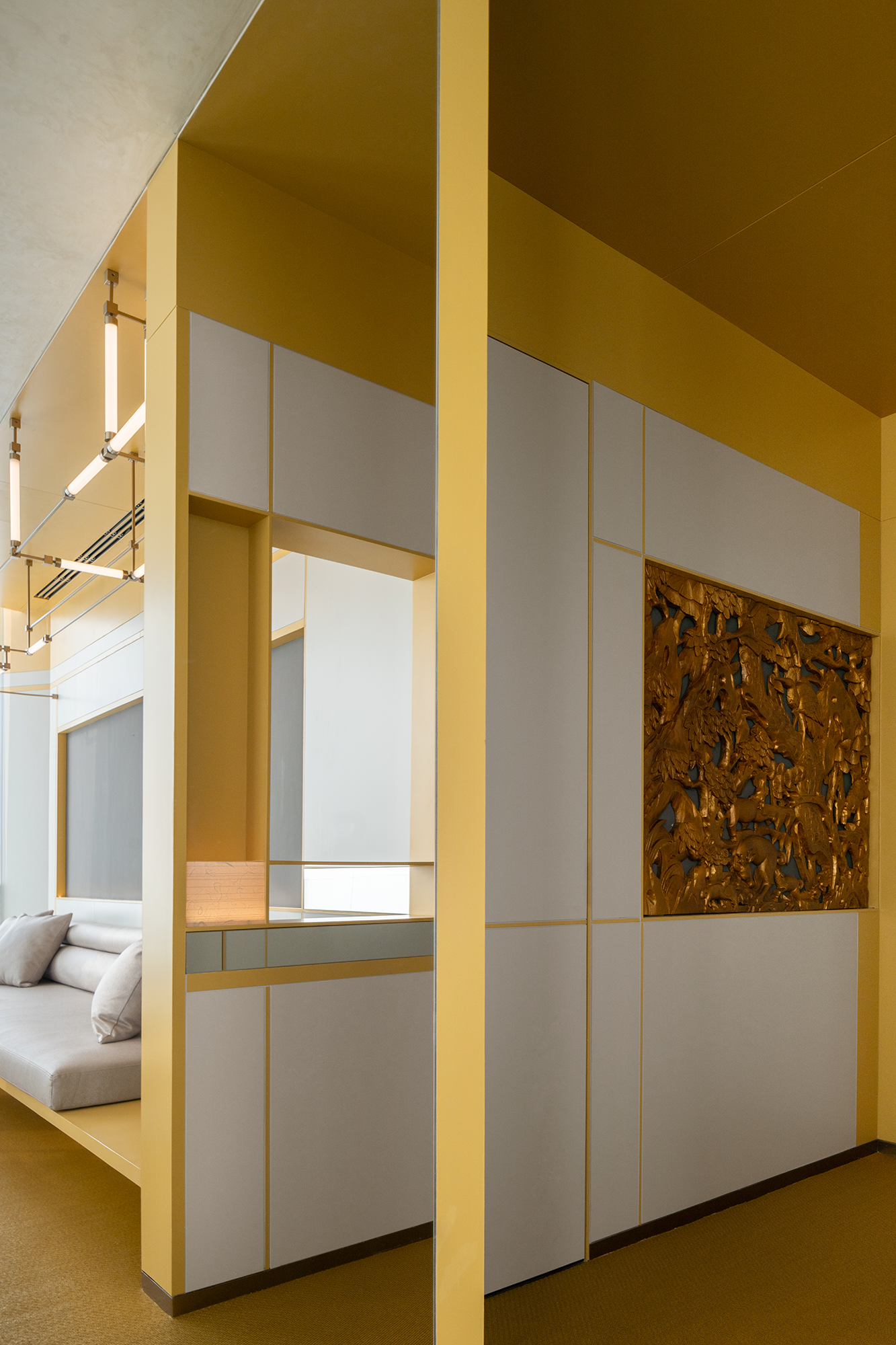
The Future of Office Design in Yangon: How AI Is Reshaping Yangon Interior Design
As a creative interior designer with over two decades of experience crafting emotional, people-centric environments, I’ve witnessed a powerful shift in how we approach Yangon interior design —especially when it comes to office spaces.
With the rise of artificial intelligence, automation, and hybrid work models, the office is no longer just a place for tasks—it’s a destination for connection, creativity, and culture. In a city where “အလုပ်ကနေ စိတ်ဓာတ်ကို ဖွံ့ဖြိုးစေတဲ့ နေရာ” (workplace should be where your spirit grows ), designing for the future means blending technology with humanity.
At our firm, we’re embracing AI-driven tools not just to streamline processes—but to deepen our understanding of how people truly interact with space. And in Yangon , where business districts like Bahan, Kamayut, and Hlaing Thar Yar are evolving rapidly, this fusion of tech and emotion is more important than ever.
Why AI Matters in Modern Office Design
Artificial intelligence isn’t just changing industries—it’s reshaping interiors. From space planning to materials selection, AI is becoming an essential tool that helps us design smarter, faster, and more intuitively.
Here’s how we’re integrating AI into Yangon interior design :
1. Smart Space Planning & Optimization
Designing for efficiency used to rely on instinct and experience. Now, AI-powered software can analyze employee movement patterns, seating preferences, and even light exposure to suggest optimal layouts.
For example, in a recent project at a growing fintech firm in Mayangone Township , we used AI simulations to test different zoning strategies—ensuring each layout supported both collaboration and focus.
2. Personalized Environmental Controls
Imagine a workspace that adjusts lighting, temperature, and acoustics based on individual user preferences—or senses when someone needs a break and gently nudges them toward a wellness zone.
These AI-integrated features are already being tested in global markets, and we see strong potential for their adoption in Yangon interior design , especially among international firms setting up regional offices.
3. Predictive Material Selection
Choosing finishes and furniture has always been part art, part science. With AI, we can now predict which materials will perform best in specific conditions—whether it’s humidity resistance in tropical climates or durability in high-traffic zones.
This allows us to make smarter decisions that enhance both aesthetics and functionality—without compromising on sustainability or cultural relevance.
4. Data-Driven Design Decisions
In the past, design choices were often subjective. Today, we can use real-time data to understand how employees use space—and adapt accordingly.
We’ve worked with co-working brands in Pabedan who leverage occupancy sensors and AI dashboards to optimize desk usage, meeting room scheduling, and even café foot traffic—making the office feel more intuitive and responsive.
Designing for the Human Experience in an AI World
While AI enhances efficiency, it doesn’t replace the need for emotional design. If anything, it gives us more time to focus on what truly matters—the human experience .
That’s why our approach to Yangon interior design remains rooted in empathy, storytelling, and local culture—even as we embrace new technologies.
Here’s how we balance innovation with intuition:
Biophilic Design Meets Tech Integration
Natural elements like wood, stone, and greenery remain central to well-being. But now, we pair them with smart climate control systems that mimic natural airflow and light cycles—enhancing comfort without sacrificing energy efficiency.
♀️ AI-Powered Wellness Zones
Wellness corners are no longer just a bench and a plant. We’re designing meditation pods that adjust ambient sound based on mood detection, and quiet rooms that sync with wearable devices to guide breathing and relaxation.
Cultural Storytelling Through Digital Art
From digital murals inspired by Mandalay weaving patterns to interactive displays that showcase Burmese heritage, we’re using AI to bring storytelling into physical spaces in new and meaningful ways.
Adaptive Lighting & Acoustic Systems
AI-enabled lighting and sound systems can now respond to environmental changes—dimming during meetings, brightening for brainstorming sessions, and adjusting noise levels in open-plan areas to reduce stress and distraction.
Trends Driving AI Adoption in Yangon Office Design
Over the past few years, we’ve noticed several key trends influencing how businesses approach Yangon interior design :
- Smart Offices : Companies are investing in IoT-integrated lighting, HVAC, and access control systems that improve efficiency and reduce operational costs.
- Flexible Work Models : AI-driven analytics help firms understand how teams use space, enabling better hybrid and agile working setups.
- Sustainability Focus : AI aids in selecting eco-friendly materials and optimizing energy use—key priorities for ESG-conscious organizations.
- Emotional Zoning : Offices are being divided into distinct areas—focus zones, collaboration hubs, and recharge corners—guided by behavioral data from AI tools.
- Tech-Integrated Meeting Rooms : From voice-controlled whiteboards to smart glass walls that switch between transparent and opaque, the modern office is increasingly intelligent.
These shifts reflect a broader movement toward human-centered, values-driven design —and we’re proud to lead the way.
Our Approach: Design That Cares
At our firm, Yangon interior design isn’t just about aesthetics—it’s about building better futures for teams. We collaborate closely with architects, developers, and HR leaders to ensure each project supports both individual well-being and organizational goals.
Because great design starts with listening—to your team, your values, and the emotions that drive performance.
Ready to Redefine Your Workspace?
If you’re a business leader, property developer, or HR manager looking to create an office environment that truly reflects the spirit of Yangon, let’s talk.
Together, we can craft a people-centric, emotionally engaging interior design plan that embraces AI while staying deeply human.
Because in the end, the best-designed offices aren’t just efficient—they’re places where people feel valued, connected, and inspired.
“ဒီဇိုင်းဆိုတာ သုံးစွဲသူတစ်ဦးချင်းကို နားလည်မှုနဲ့ ဖန်တီးမှုပါ။”
(Design is about understanding individuals and creating with intention. )
Designing Smarter Offices with AI in 2025
Follow us on social media, we post good stuff


